We believe that every dog deserves the chance to heal in comfort, safety, and love. While our shelter provides essential medical care and support, some dogs need more than just veterinary treatment—they need a home. That’s where medical fosters come in.
Medical fostering is a unique and deeply impactful form of fostering that helps dogs recover from illness, injury, or surgery in a calm, nurturing environment. It’s not always glamorous—but it is always life-changing.
What Is Medical Fostering?
Medical fostering involves temporarily caring for a dog with special health needs. These needs can range from recovering after surgery, managing a chronic condition, or healing from trauma or neglect. Some dogs need help gaining weight. Others need medication at regular intervals or simple wound care.
Each case is different, but the goal is the same: help the dog recover outside of the stressful shelter environment.
Why Medical Fostering Matters
Shelters can be loud, overwhelming places—especially for dogs who are already vulnerable. Stress can slow recovery or complicate treatment.
A foster home, on the other hand, offers desperately needed peace and quiet, individualized attention, and a consistent routine—all of which help dogs heal faster, both physically and emotionally.
By opening your home to a medical foster dog, you’re doing more than just providing shelter—you’re offering them a soft landing in one of the hardest times of their lives.
Who Can Be a Medical Foster?
You don’t need to be a vet tech or have a medical background to be a medical foster (though we love when you do!). If you are a dog lover who is willing to follow instructions and keep a close eye on a pup’s condition, medical fostering might be for you. We provide all necessary supplies, training, and ongoing support.
If you can:
- Administer oral medication
- Monitor wounds or surgical sites
- Maintain a calm, safe environment
- Follow post-op instructions
- Provide love and comfort
…then you can be a medical foster!
Real-Life Impact
Take Tigerlily, for example. This sweet girl needed a quiet place and a close eye monitoring her recovery after another shelter dog lashed out at her in a moment of overstimulation.
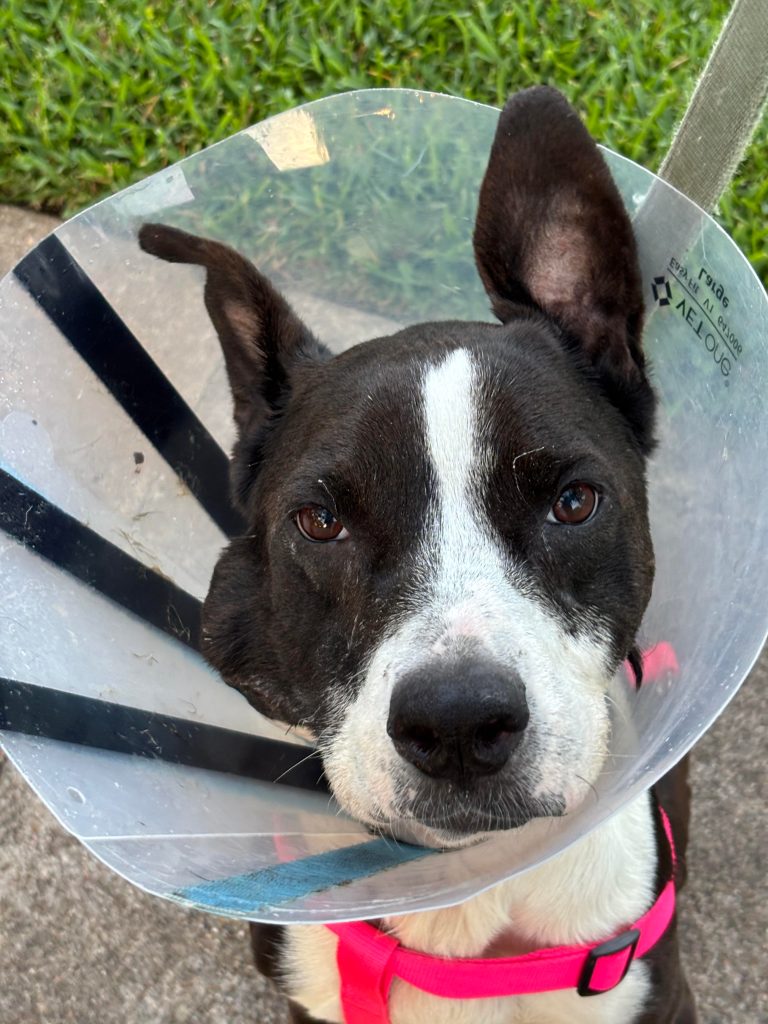
Tigerlily’s foster, Chris, shared the following comments about their experience as medical fosters:
Our last foster was a medical foster. Tiger Lilly needed a place to rest. She was injured and needed a quiet space to spend her energy on getting stronger. When she came to us, we could see her rib and hip bones easily as she was underweight. Her jaw and cheek had been repaired and she was eating mush. In the quiet she relaxed, began eating again, and gained both strength and spirit. After four days, the sparkle came back to her eyes and you could visibly see her become the dog she was supposed to be. Calm, confident, with a love of chasing a tossed toy.
Chris was instrumental in creating a quiet and sterile space where Tigerlily could rest and recover without fear of infection. After a few weeks, Tigerlily was walking again—and ready to come back to the shelter to resume her search for her forever family.
Every story like Tigerlily’s starts with someone like you.
What to Expect as a Medical Foster
While every dog’s needs are different, you can generally expect:
- Medication schedules
- Restricted activity (e.g., crate rest)
- Short-term commitment (often 2–6 weeks)
- A lot of gratitude—from the dog, the team, and future adopters
We handle the logistics—you provide the care.
Why We Need You
Our medical kennels are limited, but the number of dogs needing care isn’t. When you foster, you free up space for another animal in need, and you give your foster dog the best chance at a full recovery and a happy life.
Ready to Help a Dog Heal?
If you’ve ever wanted to make a tangible difference, medical fostering is one of the most direct ways to do it. You don’t need to be perfect—just present. Dogs don’t remember your job title; they remember your kindness.
Email jami@spcabc.org to find out more about becoming a medical foster—and help a dog heal in a home, not a kennel.

 SPCA of Brazoria County
Leave a comment