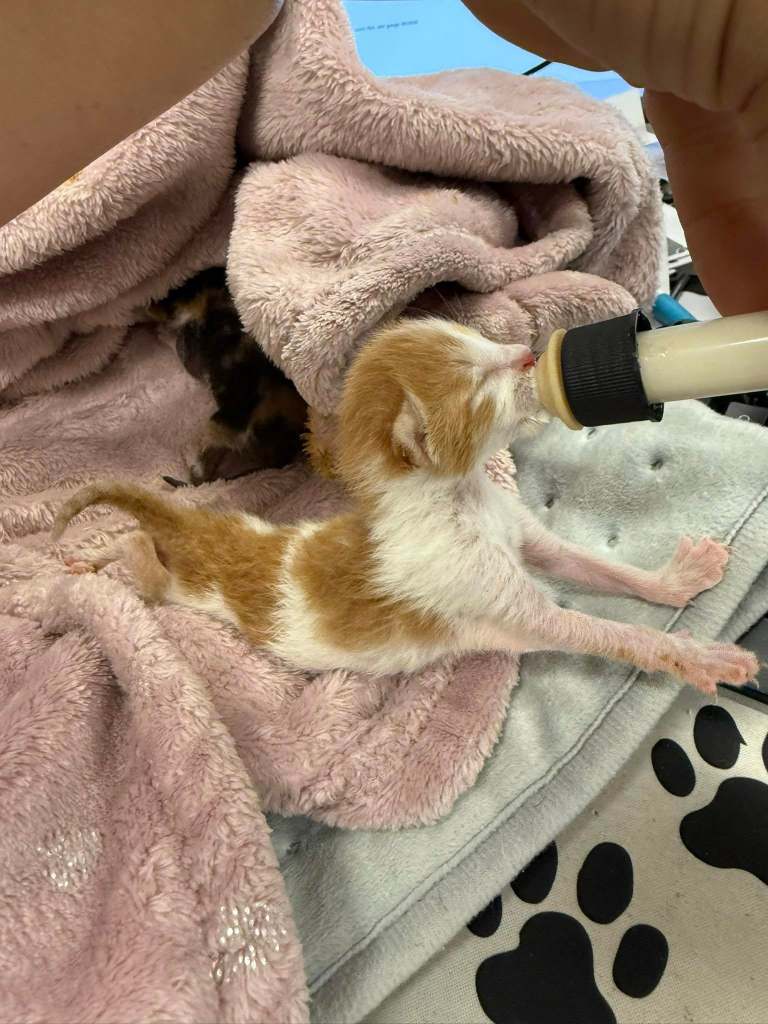
Each spring, animal shelters across the country brace for what we call “kitten season”—a wave of tiny, fragile lives pouring in through shelter doors. And in the South, this season lasts for well over half the year. While kittens may be adorable, their reality in shelters is often heartbreaking.
More kittens die in shelters than any other age group.
According to research shared by Kitten Lady, pre-adoption age kittens, or kittens under 8 weeks old, are three times more likely to die than those over 8 weeks. And of those that die, half do so without humane euthanasia, meaning they pass away naturally due to conditions like starvation or illness. These are deaths that can be prevented—but only with timely, compassionate intervention.
💔 The Numbers Are Urgent
The data paints a clear picture:
- More than half of the cats in shelters are under 5 months old.
- Over one-third of all cats entering shelters are pre-adoption age kittens—too young to be adopted, but often in need of round-the-clock care in order to survive.
- Four out of five of these kittens are found outdoors.
This data reinforces what shelter staff and rescuers know too well: we cannot adopt our way out of this crisis. We must intervene upstream—through community cat sterilization, public education, and a strong foster support network.
🐾 Why Kittens Are at Such High Risk
Kittens under 8 weeks are especially vulnerable for a few key reasons:
- They can’t regulate their body temperature.
- They require bottle feeding or nursing every few hours.
- Their immune systems are undeveloped, making them highly susceptible to illness.
In a shelter, where disease is difficult to control and staff are stretched thin, these fragile babies often don’t stand a chance—unless someone steps up to foster.
🏡 Fostering Is the Lifeline
Foster homes are the difference between life and death for these kittens. Fosters provide:
- A safe, warm, and clean environment
- Feeding and care tailored to the kitten’s age and condition
- Early socialization that sets them up for adoption success
When you foster a litter or even just one neonatal kitten, you’re giving them the one thing the shelter can’t: time and intensive care.
🙏 When Not to Intervene
It’s important to remember that not all kittens need to be scooped up immediately. A mother cat may be nearby, watching or hunting, and in those cases, it’s best to leave the kittens and monitor. Intervention is only needed when the kittens appear sick, injured, abandoned, or are in immediate danger. If you’re not sure, call your local shelter or rescue group. We’re here to help guide you.
💥 What You Can Do
- Foster a litter or single kitten—we provide training and supplies!
- Support TNR (Trap-Neuter-Return) efforts to reduce outdoor births.
- Donate or volunteer—help us reach and save more lives.
- Share this post—spreading awareness helps others understand the scale of the issue.
One small kitten may not seem like much. But to them, your compassion means everything.
If you’re ready to be a lifesaver, email rose@spcabc.org to get started.
Still have questions about when or how to help? Call us—we’re here for you, and the kittens too. 🐾

 SPCA of Brazoria County
Leave a comment